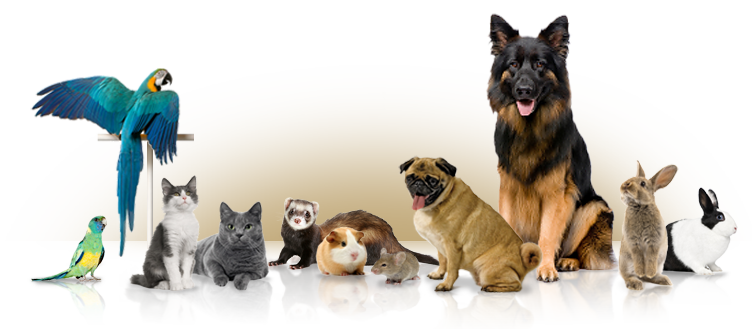
You might think of your dog as your fur child, but the law would not agree. “In the eyes of the law, they are really no different than the silverware, the cars, the home,” says Joyce Tischler, director of litigation for the Animal Legal Defense Fund. But in more and more American homes, splitting the pets could get pretty contentious. Consider the numbers. Sixty-three percent — 71.1 million — of U.S. households own pets, according to the latest National Pet Owners Survey. The bulk of those animals are dogs — about 44 million. Americans are expected to spend about $41 billion on their pets this year, a $24 billion increase since 1994, according to the American Pet Products Manufacturers Association. Then throw in lifestyle and societal changes: more couples have fewer children than a generation or two ago and view their pets as their kids or companions, owners pay $2,000 for an orthopedist to reconstruct a dog’s knee; designers such as Isaac Mizrahi create pink trench coats and white tulle bridal dresses for the fashion-conscious canine whose owner shops at Target, and high-end pet stores sell rhinestone-studded dog collars, peanut butter biscotti instead of run-of-the-mill dog treats, and strollers for the walking-averse pampered pooch. “When you put all of that together, it’s no wonder that we’re beginning to see an increasing number of custody battles involving companion animals,” Tischler says. The American Academy of Matrimonial Lawyers conducted a poll of 1,500 members and nearly a quarter said they had noticed an increase in custody issues of pets. Judges have had to determine not only who gets the dog but whether one party has the right even to see the dog after the marriage breaks up. To read more on this story, click here:Who Gets The Pets In A Divorce? What You Need To Consider When Fighting Over Fido
Does your dog beat you to the table? Looking up with those puppy dog eyes … waiting for you to drop something down to them? Stop! … and think of what you are eating. Ask yourself, is this going to hurt them? The experts at the ASPCA Animal Poison Control Center set the record straight. As the premier animal poison control center in North America, the ASPCA Animal Poison Control Center is your best resource for any animal poison-related emergency, 24 hours a day, 365 days a year. If you think that your pet may have ingested a potentially poisonous substance, make the call that can make all the difference: (888) 426-4435. A $65 consultation fee may be applied to your credit card. For more information visit them at ASPCA - People Foods. Listed below are some of the foods that you should never give your dog. Chocolate and Cocoa contain a chemical called theobromide that can adversely affect the heart, lungs, kidney and central nervous system. Grapes and Raisins can cause irreversible damage to the kidneys, possible resulting in death. Onions can cause a form of hemolytic anemia called Heinz body anemia, a condition that causes the destruction of red blood cells. Kidney damage may follow. Caffeine is quite similar to the toxic chemical in chocolate. It can damage the heart, lungs, kidney and central nervous system. Macadamia nuts, while generally not considered fatal, can cause your dog to experience severe illness. Alcoholic beverages contain ethanol - a seriously toxic chemical compound that causes central nervous system and respiratory depression. Apple seeds, cherry pits, peach pits, and plum pits contain the toxin cyanide. Baby food can contain onion powder, which can be toxic to dogs. It can also result in nutritional deficiencies, if fed in large amounts. Milk and other Dairy Products - Some adult dogs and cats do not have sufficient amounts of the enzyme lactase, which breaks down the lactose in milk. This can result in diarrhea. Lactose-free milk products are available for pets. Raw Eggs contain an enzyme called avidin, which decreases the absorption of biotin (a B vitamin). This can lead to skin and hair coat problems. Raw eggs may also contain Salmonella. Sugar-Free Gum - Xylitol is a sugar-free sweetener most often found in chewing gum and candy. In dogs, it stimulates the pancreas to secrete insulin, resulting in hypoglycemia (low blood sugar). Xylitol ingestion can also cause severe liver damage. Moldy or Rotten foods can cause many problems for your dog, some more serious than others. Any food that seems "past its prime" should be kept out reach. Be especially careful to keep your dog away from trash cans. Poison Control Hotline 888-232-8870 (TOLL FREE) For anyone who may not know, the poison control number charges you $35. This goes to pay the vet in case of a phone consultation. If you ever have to call, make sure to have credit card ready.
Do you know that you should not give your cat milk every day? According to the American Animal Hospital Association (AAHA) most cats like milk, but do not need it if properly nourished. Also, many will get diarrhea if they drink too much milk. If it is given at all, the amount should be small and infrequent. The American Society for the Prevention of Cruelty to Animals (ASPCA) says, unless they are spoiled or moldy, milk, cheese and other dairy foods are not considered to be poisonous to pets. However, cats do not possess significant amounts of lactase, the enzyme that breaks down lactose in milk. Feeding milk and milk-based products to cats can actually cause them to vomit or have diarrhea, which in severe cases could lead to inflammation of the pancreas. For this reason, it’s always a good idea to check with your veterinarian before offering any “people food” to your pets. Listed below are some of the foods that you should never give your cat: Bones from Fish or Poultry - Can cause obstruction or laceration of the digestive system Canned Tuna (for human consumption) - Large amounts can cause malnutrition, since it lacks proper levels of vitamins and minerals. It can also lead to thiamine deficiency in cats. Chocolate and Cocoa contain a chemical called theobromide that can adversely affect the heart, lungs, kidney and central nervous system. Citrus oil extracts - Can cause vomiting. Cats are more sensitive than dogs. Dog Food - If accidental ingestion, will not cause a problem; if fed repeatedly, may result in malnutrition and diseases affecting the heart. Fat Trimmings - Can cause pancreatitis. Fish (Raw, Canned or Cooked) - If fed exclusively or in high amounts can result in a thiamine (a B vitamin) deficiency leading to loss of appetite, seizures, and in severe cases, death. Milk and Other Dairy Products - Some adult cats and dogs may develop diarrhea if given large amounts of dairy products. Mushrooms - Can contain toxins, which may affect multiple systems in the body, cause shock, and result in death. Onions and Garlic (raw, cooked, or powder) - Contain sulfoxides and disulfides, which can damage red blood cells and cause anemia. Cats are more susceptible than dogs. Garlic is less toxic than onions. Persimmons - Seeds can cause intestinal obstruction and enteritis. Raw Eggs - Contain an enzyme called avidin, which decreases the absorption of biotin (a B vitamin). This can lead to skin and hair coat problems. Raw eggs may also contain Salmonella. Rhubarb Leaves - Contain oxalates, which can affect the digestive, nervous, and urinary systems. Salt - If eaten in large quantities it may lead to electrolyte imbalances. String - Can become trapped in the digestive system; called a "string foreign body." Table Scraps (in large amounts) - Table scraps are not nutritionally balanced. They should never be more than 10% of the diet. Fat should be trimmed from meat; bones should not be fed. Sugary Foods - Can lead to obesity, dental problems, and possibly diabetes mellitus. Yeast Dough - Can expand and produce gas in the digestive system, causing pain and possible rupture of the stomach or intestines. Macadamia Nuts - Contain an unknown toxin, which can affect the digestive and nervous systems and muscle. Human Vitamin Supplements Containing Iron - Can damage the lining of the digestive system and be toxic to the other organs including the liver and kidneys. Grapes, Raisins and Currants - Contain an unknown toxin, which can damage the kidneys. Baby Food - Can contain onion powder, which can be toxic to cats . Alcoholic Beverages - Can cause intoxication, coma, and death. Poison Control Hotline 888-232-8870 (TOLL FREE) For anyone who may not know, the poison control number charges you $35. This goes to pay the vet in case of a phone consultation. If you ever have to call, make sure to have credit card ready. Follow Us!
Have you ever considered owing a ferret as a pet? Did you know that ferrets are becoming popular alternatives to more traditional pets? Description: The ferret is a domesticated mammal. They are sexually dimorphic predators with males being substantially larger than females. They typically have brown, black, white, or mixed fur. They have an average length of 20 inches including a 5 inch tail, they weigh about 1.5–4 pounds, and have a natural lifespan of 7 to 10 years. Female ferrets are called jills, and males are hobs. Baby ferrets are called kits, and. In spayed females are sometimes called sprites. While neutered males called gibs. A group of ferrets is a 'business of ferrets'. Behaviour: Ferrets need to be with other ferrets and it is unkind to keep one ferret on its own. Either males or females from the same litter can live happily together. Although ferrets can appear very tame, they are not easy to take care of, they need a great deal of space and may try to escape. They sleep a large part of the day. Tips on buying a ferret: Here are a few ideas of what you should look for in a healthy ferret:
Bright eyes that are free from crusting and other substances
Healthy skin
Soft coat
The ferret should appear alert
Ferrets should be naturally curious
The animal shouldn't be sneezing
Clean bottom
Healthy appetite
Please take a look at the cute video below: Follow Us!
I am not an expert on this subject. All of the views below come from other sources. I would like to know what you think about Animal Hoarding. The Humane Society of the United States says: What is an animal hoarder? An animal hoarder is a person who amasses more animals than he/she can properly care for. Such individuals generally fail to recognize or refuse to acknowledge when the animals in their custody become victims of gross neglect. Animal hoarders are sometimes referred to as animal "collectors" or animal "addicts." The American Society for the Prevention of Cruelty to Animals (ASPCA) says: What Is Animal Hoarding? Animal hoarding is a complex and intricate public health and community issue. Its effects are far-reaching and encompass mental health, animal welfare and public safety concerns.
Raw food diets might be the oldest form of pet food; after all, they are very close to what ancient dogs used to eat. As more people become aware of the benefits of raw food diets for humans, more pet owners are switching their dogs to raw diets, as well, for a variety of reasons.
“As pet owners investigate what builds their own good health, they realize good food applies to the whole family—including the four-legged family,” explains Dr. Cathy Alinovi, DVM, a holistic veterinarian who is also certified in Veterinary Food Therapy and Chinese Herbal Therapy.
In fact, many dog owners switch to a raw diet because their dogs have health problems. This is exactly why dog owner Jessica Winstead put both her Chihuahua mixes on a diet of raw food mixed with canned pumpkin and sweet potato, even though the diet has had different, though positive, effects on the dogs. “My older dog moved in along with my boyfriend about five years ago and he was slightly overweight, but the raw diet leaned him out,” Winstead says. “He also seems to have more energy.” Her other dog, a four-year old rescue, went on a raw diet to address hair issues. “He was missing hair on the back of his spine and was slightly underweight, but since he's been on the raw diet his hair has evened out and he even gained a little weight,” Winstead says. “Our older chi-mix weighs about five pounds more, so we feed him a half portion more than our other mix—but he still leaned out and our smaller guy still gained weight!” Switching to a raw diet, however, is not always that simple. Here are five common mistakes owners often make when switching their dogs to a raw diet. To read more on this story, click here:5 Mistakes People Make When Feeding Pets a Raw Food Diet
Most cats appear naturally agile and athletic, easily jumping from their perches to the floor with an uncanny sense of balance. However, signs of arthritis can begin at any age, even in kittens. Watch for these early-warning signs of arthritis in your feline friend: What Is Arthritis? Arthritis, also known as osteoarthritis or degenerative joint disease, causes pain and inflammation in a cat’s joints. Although fairly uncommon in felines, arthritis tends to affect the elbow joint when it does strike—but many joints can be afflicted. What Are the Symptoms of Arthritis in Cats?
Felines suffering from arthritis may show overall stiffness
swelling of the joints
lethargy, lameness
decreased flexibility and discomfort when you pet or handle them in certain positions. Decreased activity
Lapsed litterbox habits (due to pain caused by getting in and out of the box)
Hesitancy to run, jump or climb stairs
If you notice any of the above symptoms in your cat, please take them to you Vet for a checkup!
The Shih Tzu (pronounced Shid Zoo in singular and plural), is undoubtedly one of the world’s oldest dog breeds. The Shih Tzu is often referred to as a "small lion." They originated in Tibet, but are most associated with China where they were highly revered as a palace pet and prized companion. The Shih Tzu is an active, happy, and affectionate breed. A compact and solid dog, the Shih Tzu’s long, flowing double coat is its most distinctive feature. The word Shih Tzu means "lion" and although this dog is sweet and playful, they are not afraid to stand up for themselves! Temperament: Shih Tzu love to strut around the house with their head held high and tail wagging! They strut like they own the place! Most have an outgoing, happy, friendly personality! Shih Tzu tend to get a little bossy as they reach the adult age, and quiet down when they get to be seniors. They love to be spoiled at all ages! Human Companions: The ideal companion for the Shih Tzu would be singles, seniors, families with older children. Though good family dogs, Shih Tzu are not especially good with very young children. They cannot be handled roughly or awkwardly and tend to get snappish when their patience wears thin. Size: Shih Tzu usually weigh between 9 and 16 pounds full grown, and measure between 10 – 11 inches in height. Colors: Shih Tzu come in a rainbow of colors. They are Liver and white, cream, black, brindle and white, solid blue (rare), solid brindle, gold and white, black and white, solid white, solid red, red and white, solid silver, silver and white. The Body: The Shih Tzu body is slightly longer than tall, its legs straight and muscular, and its feet firm and well-padded.The head is round, broad, and wide between the eyes, and in balance with the rest of the dog. The dark eyes are large and round; the ears are natural and heavily feathered; the muzzle is square, short and unwrinkled, and flat; lips and chin should neither protrude nor recede. The jaw is undershot, the incisors of the lower jaw overlap the incisors of the upper jaw. The Coat: The coat is long and flowing and generally grows in an upward direction from his nose, which is why you’ll often see him with his fur tied on top of his head. The growth of his fur in all directions from his face has earned him the nickname “chrysanthemum-faced dog.” Most show dogs have the long flowing coat, however, most pet owners like to keep the hair cut short. Health: Basically healthy, the Shih Tzu is subject to a kidney disease called renal dysplasia, and to slipped stifles or kneecaps. His slightly protruding eyes are prone to injury, and his short muzzle often produces slight wheezing problems.