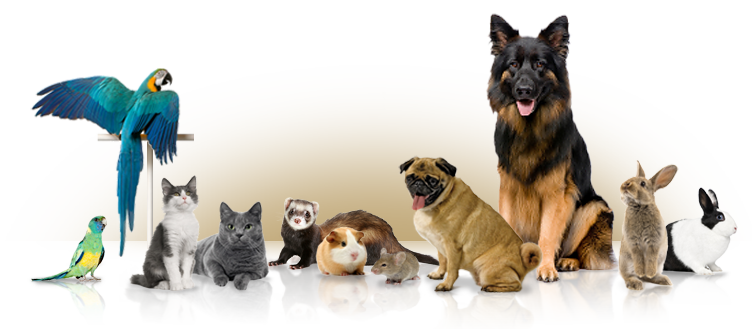
Burlingame, CA - A quarter of the dogs taken in by one California animal shelter look like Chihuahuas. So how do you make a pet stand out when it's similar to so many other dogs at the shelter? Check the DNA. The Peninsula Humane Society and SPCA in Burlingame, a 30-minute drive south of San Francisco, began free DNA tests under the slogan "Who's Your Daddy?" Scott Delucchi, the shelter's senior vice president, came up with the idea to speed up adoptions of Chihuahua-centric dogs. Because pets become part of the family, the $50 tests allow owners to find out the background of their pooches and certain traits they could exhibit. The tests also allow the shelter to get creative by coming up with clever breed names that can boost adoption odds. For example, the Chihuahua-Australian shepherd-Jack Russell terrier-collie became a "Kiwi collier"; a Yorkshire terrier and beagle mix became a "Yorkle"; and a golden retriever-miniature pinscher-Chihuahua was proclaimed a "golden Chinscher." In February, the shelter tested 12 lookalike dogs. One of the results was inconclusive, but 11 showed mutt combinations that the facility had never seen before. The tested dogs were all placed within two weeks — twice as fast as any 11 untested small, brown dogs in the previous months. Twelve more dogs were tested, and once the last few in that group are placed, 24 more dogs will find out their breed backgrounds, Delucchi said. In the two batches of tests, only 10 of 23 dogs had no Chihuahua in them. Chihuahuas took over from the glut of pit bull mixes that dominated the shelter until five or six years ago, Delucchi said. There are a lot of reasons Chihuahuas became so popular, he said, citing Hollywood stars toting them in purses and the "Beverly Hills Chihuahua" movies. Seeing one of the tiny dogs at the shelter changed Lynn Mazzola's mind about what kind of pet she wanted. Mazzola of San Carlos, California, wanted a big dog, but 2-year-old, 6-pound Lily stole her heart. DNA results showed her that her new dog was part miniature pinscher, part Yorkie terrier and part Chihuahua, which the shelter dubbed a "Chorkie." Knowing Lily's DNA gives you clues to her behavior, Mazzola said. For example, "it explains why she goes after birds and mice and she's not nervous like a Chihuahua," she said. Mazzola's husband was about to undergo surgery and she wanted the dog to keep him company while he recovered. After his operation, "he walked in the door, she ran up to him and hasn't been out of his lap since," Mazzola said of the dog that had been at the shelter for seven months. The adoption promotion helped Lily, but it's going to take more than a gimmick to reduce the "alarming" number of Chihuahua mixes coming in, Delucchi said. "Another part is making spay-neuter low-cost or free to the community," he said. "If you have a lot of one breed, you target that breed and those owners and make it easy for them to do the right thing and get them fixed." He said facilities also work with states that need small dogs, such as Florida and New York, by flying in as many as they can handle. Despite the promotion's tagline, the question that never gets answered is "Who's Your Daddy?" The DNA tests describe two parents, but they don't reveal which one is dad.
From: Washington Animal Rescue League Meet Tali, a gorgeous long-hair Siamese mix. She found herself at WARL because she is—wait for it, wait for it—too affectionate! Apparently, that was a big turn-off for her human companion. So now Tali is looking for someone who longs for a quintessential lap cat...a cat that wants to be with you, interact with you, and have a strong relationship with you. At 8 years old, Tali qualifies as a “Boomers’ Buddy,” which means her adoption fee will be waived for adopters 50 years or older.
Tali Animal ID: 23578090 Species: Cat Breed: Siamese/Mix Age: 8 years 6 months 21 days Sex: Female Size: Medium Color: Cream/White Spayed/Neutered Declawed: Yes Housetrained: Unknown Site: Washington Animal Rescue League Location: Main Cat Room Intake Date: 3/14/2015 To learn more about Tali, clickHERE If you are interested in adopting Tali, please read:How to Adopt
Website:http://www.warl.org/ To learn more about the About the Washington Animal Rescue League,HERE.
Old Forge, NY - The Ontario County Sheriff's Office says Garvin Anthony Brown and his fiancee were renting a home in the Finger Lakes town of Naples, 40 miles southeast of Rochester. Deputies say Brown was walking his dog around 1:00 a.m. Sunday when the dog went onto the ice of a pond and fell into the water. Police say Brown ventured out onto the frozen pond to save his pet, but the thin ice cracked and the 34-year-old fell through. Investigators say Brown was unable to get out of the frigid water and drowned. His dog survived the harrowing ordeal. The couple were staying at Jim's Adirondack House during their weekend getaway when tragedy struck. When the dog fell through the ice, Brown ran inside the cabin to alert his fiancée and then returned to the pond to try and rescue the animal. The woman immediately called 911 to get help, and first responders arrived on the scene along Route 21 in Naples a short time later, but by that time Brown had already drowned. Responding officers were able to locate the man's body at the bottom of the pond and recover it within an hour. Brown was pronounced dead at the scene. The deceased pet owner's body was taken to a nearby hospital for an autopsy to confirm his cause of death. Brown, a Brooklyn DJ who went by the stage name Tony Trixx, leaves behind a large extended family. 'To all who knew him. My nephew, Anthony Garvin Brown gone to soon. Died being a hero,' his uncle Alfie Blackman wrote on his Facebook page.
They come out at night, they have scary teeth, they have a weird name with an extra vowel most people don't pronounce…and they are where Lyme disease goes to die. Say hello to the opossum, the American marsupial with a pointy nose and prehensile tail that dines on ticks like a vacuum dines on dust. Most people drop the first vowel when speaking of 'possums, but possums actually belong to a different species native to Australia. Tiny adolescent ticks that carry Lyme disease bacteria are most active during the late spring months, typically May and even as early as April during warmer years. But whereas these ticks can be found in large numbers on mice, shrews and chipmunks, they are eaten in large numbers by opossum. Research led by scientists based at the Cary Institute of Ecosystem Studies in Millbrook placed different species into cages, covered them with ticks and waited for the biting arachnids to jump off. The scientists then counted how many survived. Opossums can eat or remove as much as 96 percent of the ticks that land on them. Research also suggests the immune system of opossums is fairly effective at fighting off the disease. So even the ticks that do survive a visit to an opossum are less likely to acquire the disease. Cary scientists are continuing to examine the correlation between the frequency of different types of mammals, and the infection rates of ticks found in the same area. The initial thought? Where foxes thrive, Lyme doesn't. That's because foxes are good hunters of the small mammals that serve as the most effective reservoirs of the Lyme pathogen. Ongoing research is also looking at the role opossums play. All of this points to why Lyme is a particularly inscrutable disease. There are so many complex interactions that govern its prevalence — from human land-use development, to shifting climate patterns, to the abundance (or lack) of certain mammals. And that doesn't even address how the disease behaves once it is in the body. The Lyme bacterium is apparently one of the only things on earth that doesn't need iron to survive. Opossums are your friend in the fight against Lyme.